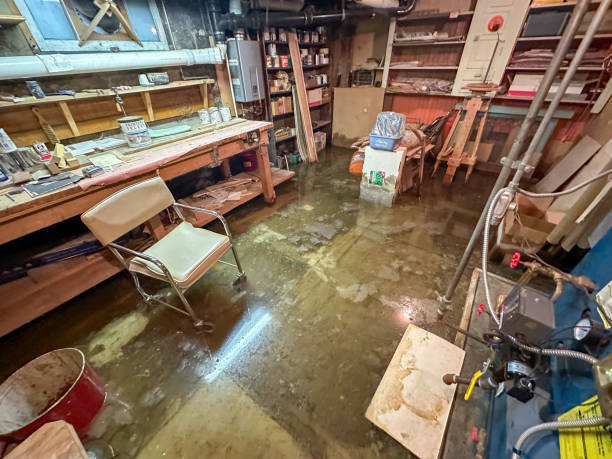
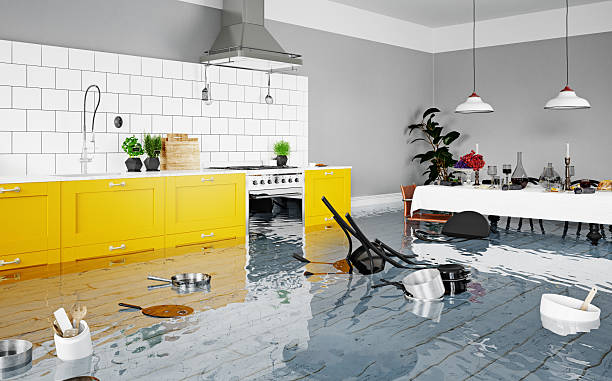
When broken pipes, appliance overflows, or regional rainstorms flood your home in Clovis, our certified field units deploy immediately to stop moisture migration and protect structural framing.
Request Immediate Dispatch

Our heavy-duty truck mounts, commercial desiccant dryers, and containment barriers deployed on recent local flood and pipe burst incidents.
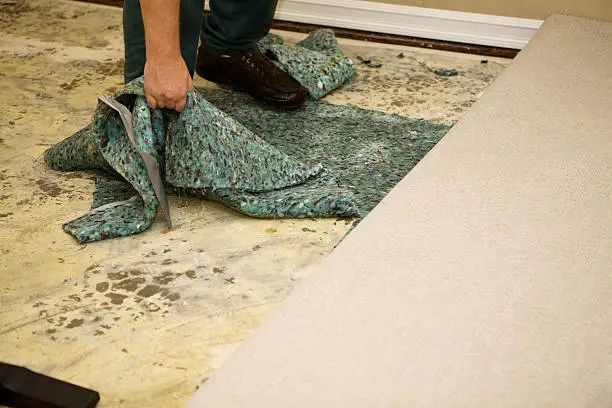
Water mitigation is the emergency stabilization phase that immediately follows an intrusion. Its purpose is to stop ongoing destruction: extracting standing water, removing unsalvageable porous drywall, and neutralizing bacterial threats before they spread through floorboards.
Unlike full reconstruction (which rebuilds surfaces back to aesthetic completion), mitigation stops the clock. Without aggressive mitigation within the first 24 to 48 hours, clean Category 1 tap water degrades into Category 2 or Category 3 black water, creating toxic microbial spores and causing joists to warp.
Every loss varies depending on the square footage affected, surface materials, and moisture class, but standard operations follow this baseline schedule:
Truck-mounted vacuum units remove all pooling water. Saturated baseboards are pulled, and infrared thermal cameras map the boundary of moisture trapped behind walls.
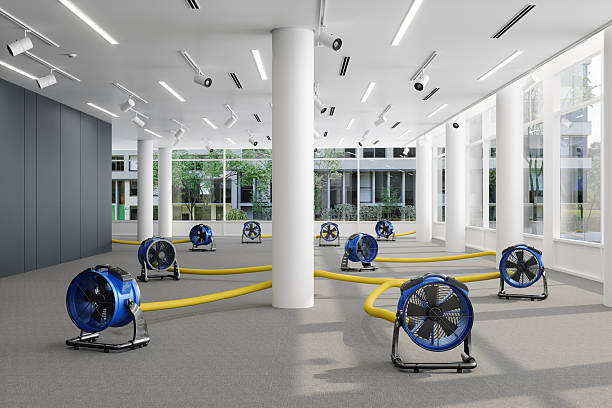
Refrigerant and LGR dehumidifiers operate continuously alongside high-velocity centrifugal fans. Technicians log daily psychrometric readings to verify sub-surface dryout.
Antimicrobial fogging is applied to eliminate lingering bacteria. Once scientific dry standards are reached, rebuild contractors hang new drywall and finish flooring.
Most major structural flood restorations can be avoided with basic, proactive maintenance checks:
Replace rubber washing machine and toilet supply hoses with braided stainless steel lines every 5 years. A broken pressurized line can dump 500 gallons an hour.
Ensure every member of your household knows where the central water shutoff valve is located. Label it clearly and test that the lever turns smoothly once a year.
Place low-cost WiFi water sensor pucks near high-risk zones: under water heaters, behind refrigerator ice lines, and underneath bathroom vanities.
Our rapid-response trucks are routed daily throughout Clovis and neighboring corridors across Fresno County.
Operating a fleet of rapid-response mitigation teams across the Central Valley: